


Warehouse & Factory Cleaning: A North Lakes Business Guide



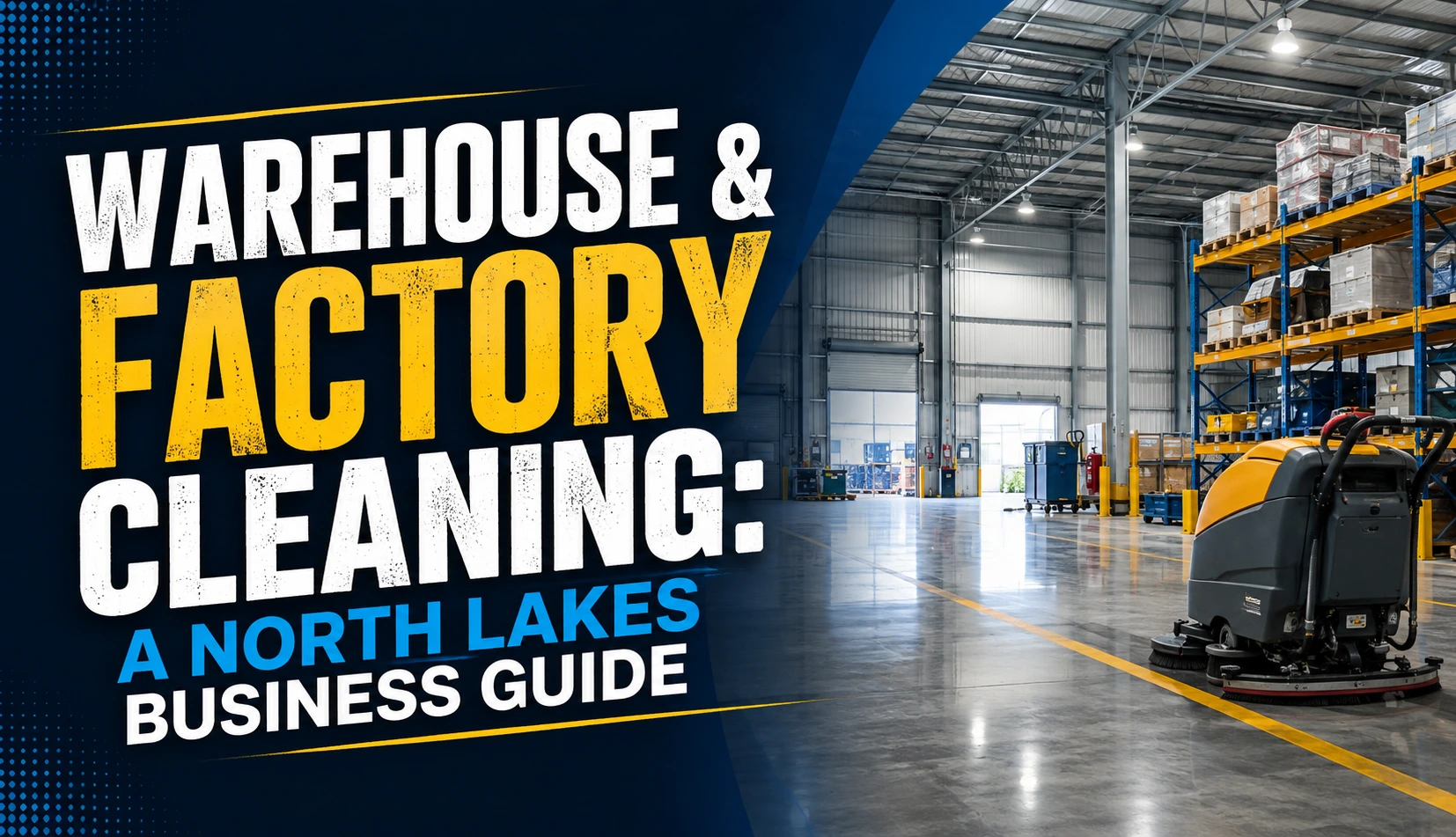
Running a warehouse or factory involves much more than storing products or managing production. A clean and organised workplace helps your team work safely, protects equipment and creates a better environment for everyone.
Dust, dirt, oil, packaging waste and general debris can build up quickly in large industrial spaces. Without regular cleaning, these issues can affect workplace safety, productivity and even the condition of your equipment.
This is why warehouse cleaning should be an important part of your regular business routine. For businesses in North Lakes and across Australia, a structured cleaning plan can make a noticeable difference to daily operations.
Why Warehouse and Factory Cleaning Matters
Warehouses and factories often have large floors, storage areas, loading docks, machinery and high-traffic zones. These areas can become dirty much faster than a standard office.
Regular cleaning helps businesses maintain a safer and more professional workplace.
Reduce Workplace Hazards
A dirty warehouse can create several safety risks. Loose packaging, spills, dust and rubbish can cause slips, trips and falls.
For example, a small oil spill near machinery can become a serious hazard if nobody cleans it quickly. Regular cleaning helps remove these risks before they become bigger problems.
Protect Equipment and Machinery
Dust and dirt can settle on machinery, electrical equipment and storage systems. Over time, this build-up may affect how equipment works.
Proper cleaning helps protect valuable machinery and reduces unnecessary wear. It also makes it easier for staff to notice leaks, damage or maintenance issues.
Create a Better Working Environment
Employees spend many hours inside warehouses and factories. A clean workplace feels more organised and comfortable.
When floors are clear, rubbish is removed and work areas are maintained, employees can focus better on their tasks.
Common Cleaning Challenges in Warehouses and Factories
Every industrial workplace has different cleaning needs. However, some problems appear regularly across warehouses and factories.
Dust and Dirt Build-Up
Large warehouse spaces can collect significant amounts of dust. Open doors, forklifts, packaging materials and regular movement can spread dust across floors and surfaces.
High-level dust can also settle on shelves, beams, equipment and other areas that are difficult to reach.
A planned warehouse cleaning routine can help control this build-up and keep the workplace cleaner for longer.
Floor Spills and Stains
Industrial floors often deal with heavy traffic, vehicle movement, chemicals, oil and other materials.
Small spills should be cleaned as soon as possible. Leaving them unattended can create safety risks and make stains harder to remove later.
Depending on the type of flooring and dirt, businesses may need sweeping, mopping, pressure cleaning or specialised floor cleaning.
Rubbish and Packaging Waste
Cardboard boxes, plastic wrapping, pallets and other packaging materials can quickly fill a warehouse.
If waste is not managed properly, it can block walkways and create an untidy workplace. Regular waste removal keeps important areas clear and makes the entire facility easier to manage.
What Should Be Included in a Warehouse Cleaning Plan?
A good cleaning plan should cover more than just sweeping the floor. It should consider the entire facility and the way employees use each area.
Warehouse Floors
Floors usually require frequent attention because they experience constant foot and vehicle traffic.
A cleaning routine may include:
- Sweeping and vacuuming
- Mopping
- Removing spills
- Removing built-up dirt
- Cleaning hard-to-reach floor areas
- Spot cleaning stains
The frequency will depend on the size of the warehouse, the type of work carried out and the amount of daily traffic.
Storage and Shelving Areas
Shelves can collect dust and dirt over time. Dirty storage areas can also affect the presentation of products.
Cleaning teams should regularly inspect accessible shelving, storage areas and surrounding spaces.
Businesses should also make sure that cleaning does not interfere with stored products or warehouse operations.
Loading Docks and Entry Areas
Loading docks often bring dirt, mud and debris into the facility. These areas may require more frequent cleaning than other parts of the warehouse.
Keeping entrances and loading areas clean also helps reduce the amount of dirt that gets carried further inside.
Staff Areas and Amenities
Industrial cleaning should not stop at the warehouse floor.
Staff kitchens, lunchrooms, toilets, change rooms and office areas also need regular attention. These shared spaces should remain hygienic and comfortable for employees.
How Often Should a Warehouse Be Cleaned?
There is no single cleaning schedule that works for every warehouse or factory.
A small facility with limited traffic may need less frequent cleaning than a large warehouse operating around the clock.
Businesses should consider:
- Number of employees
- Forklift and vehicle traffic
- Type of products stored
- Amount of dust produced
- Production activities
- Waste levels
- Floor condition
- Workplace safety requirements
Daily Cleaning Tasks
Some tasks should be completed every day. These can include removing rubbish, cleaning spills, clearing walkways and cleaning high-use staff areas.
Daily cleaning helps prevent small problems from becoming larger ones.
Weekly Cleaning Tasks
Weekly tasks can include deeper floor cleaning, cleaning storage areas, wiping equipment surfaces and maintaining less frequently used spaces.
Monthly or Periodic Cleaning
Some areas do not require daily attention but still need regular deep cleaning.
This may include high-level surfaces, difficult-to-reach areas, walls, vents and other areas where dust can gradually collect.
A professional cleaning provider can help businesses create a schedule based on their specific requirements.
Benefits of Professional Warehouse Cleaning
Managing cleaning internally can be difficult for busy businesses. Employees already have their own responsibilities, and industrial cleaning can require specialist equipment and proper procedures.
Professional warehouse cleaning can provide several advantages.
Saves Your Team Time
Your employees can focus on their main responsibilities instead of spending working hours on large cleaning tasks.
A professional team can handle routine and detailed cleaning according to an agreed schedule.
Supports Workplace Safety
Clean floors, clear walkways and well-maintained work areas can help reduce common workplace hazards.
Professional cleaners also understand that different surfaces and areas may require different cleaning methods.
Provides Consistent Results
When cleaning is handled through a planned schedule, important areas are less likely to be forgotten.
A consistent approach can help keep your facility looking and operating at a good standard throughout the year.
Improves Business Presentation
Your warehouse may not be open to customers every day, but suppliers, contractors and business partners may visit.
A clean and organised facility creates a positive impression and shows that your business takes its workplace seriously.
Choosing the Right Cleaning Service in North Lakes
Choosing a cleaning provider requires more than looking at price. Businesses should consider the company’s experience, cleaning methods, availability and understanding of commercial environments.
Look for Relevant Experience
Warehouses and factories have different requirements from offices or retail stores.
Choose a provider that understands industrial and commercial cleaning environments and can work around your operating schedule.
Ask About Cleaning Equipment
Large facilities may require commercial-grade equipment for floors, high areas and other challenging spaces.
Ask the cleaning company what equipment and methods they use for your type of facility.
Consider Flexible Scheduling
Cleaning should not disrupt production or warehouse operations.
A good provider should be able to discuss suitable cleaning times, whether you need cleaning before work, after hours or at regular intervals during the week.
Check the Cleaning Plan
Before starting a service, discuss exactly what areas need attention.
A clear cleaning plan can help both sides understand what will be cleaned, how often it will be cleaned and which tasks require special attention.
Simple Ways to Maintain a Cleaner Warehouse
Professional cleaning works best when supported by good daily habits.
Encourage employees to:
- Keep walkways clear
- Report spills immediately
- Put rubbish in the correct bins
- Store products correctly
- Keep tools in their designated places
- Avoid blocking emergency exits
- Report damaged or unsafe areas
Small actions can make a big difference. When everyone takes responsibility for workplace cleanliness, it becomes easier to maintain a safe and organised facility.
Why North Lakes Businesses Should Prioritise Cleaning
North Lakes continues to support a range of businesses and commercial operations. Warehouses, factories and other industrial facilities need reliable cleaning solutions that fit around their daily activities.
A clean facility can support better organisation, safer movement and a more comfortable working environment.
Regular warehouse cleaning is not simply about making a building look tidy. It is part of maintaining the workplace and protecting the people, products and equipment inside it.
For businesses that handle heavy traffic, production work or large amounts of stock, having a regular cleaning plan can prevent dirt and waste from getting out of control.
Final Thoughts
A warehouse or factory is a busy working environment. Dirt, dust, spills and waste are part of everyday operations, but they do not have to become long-term problems.
A practical cleaning schedule can help businesses maintain cleaner floors, safer walkways, better storage areas and more pleasant staff facilities.
Professional cleaning can also reduce the pressure on your internal team and provide consistent results.
For businesses looking for a reliable cleaning partner, Facility Associates can help create a cleaning approach that suits the needs of your commercial or industrial facility. With the right plan in place, maintaining a clean workplace becomes much easier.
If your warehouse or factory needs dependable cleaning support, professional help can make the process simpler. A cleaning team can work around your operating hours and focus on the areas that need the most attention.
Whether you need regular maintenance or a more detailed cleaning service, Commercial Cleaning North Lakes can help you maintain a cleaner, safer and more professional workplace.